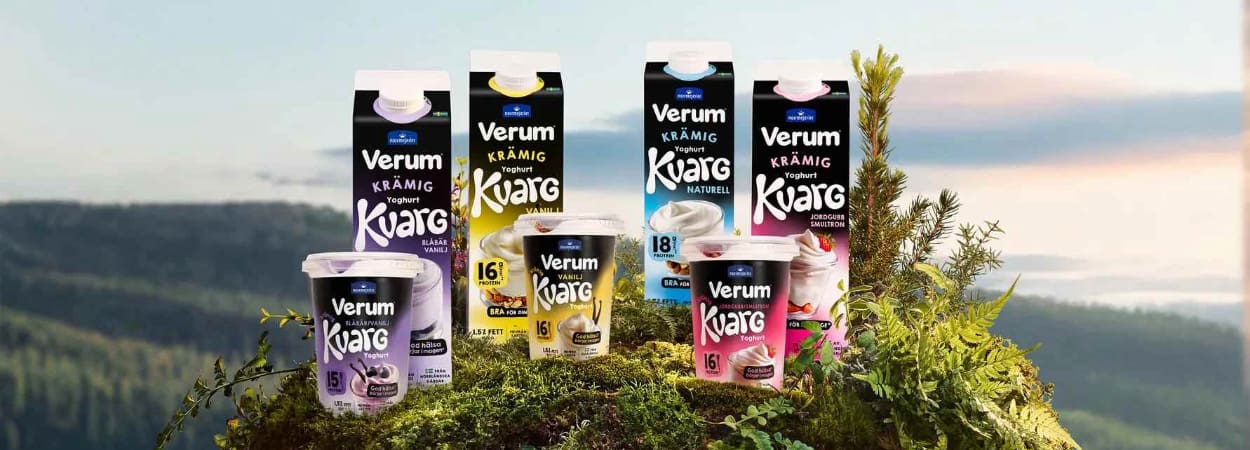
The Swiss food group is developing protein-enriched products designed to address side effects such as muscle loss among users of GLP-1 medication.
Food group Nestlé is working on developing new products and dietary supplements aimed at the millions of consumers taking so-called GLP-1 medication for weight loss. This is according to Reuters, based on a conversation with the group’s chief technology officer, Stefan Palzer.
According to Reuters, Nestlé sees the rapidly growing use of GLP-1 drugs from Novo Nordisk and Eli Lilly as both a threat and an opportunity. The drugs suppress appetite and could, over time, reduce demand for packaged food and beverages, but they are also creating a new market for products that can address the side effects of rapid weight loss. According to Boston Consulting Group, around 16 million Americans currently take this type of medication – a figure expected to rise significantly towards the end of the decade.
“We are well positioned with the portfolio. It’s a huge opportunity for our company,” Stefan Palzer told Reuters.
Focus on muscle loss
According to Reuters, Nestlé has been shown presentation material describing side effects of rapid weight loss, including loss of muscle mass and the loss of facial fat often referred to as “Ozempic face”. The group is using AI to analyse clinical research and identify combinations of nutrients that can support muscle health.
According to Stefan Palzer, Nestlé has industrialised a combination of two micronutrients that stimulate the growth of muscle tissue.
“We found a combination of two micronutrients which we industrialized that stimulate the growth of muscle tissue. On one hand you provide protein, on the other hand you stimulate the muscle tissue to grow back faster,” he said. The group has also patented ingredient combinations designed to curb the increased hunger that many people experience after stopping GLP-1 treatment.
New products on the shelves
Nestlé has already added collagen protein to products under its Vital Proteins brand and launched the Boost Advanced Nutrition Shake, containing 35 grams of protein, in the US. In Asia and Australia, the group has introduced a high-protein version of its malt drink Milo, under the name Milo PRO High Protein.
Not all nutrition experts, however, are convinced that these specialised products make a real difference. Amanda Avery, associate professor of nutrition and dietetics at the University of Nottingham, points out, according to Reuters, that meat, fish, eggs, dairy products, beans, nuts and pulses remain relatively inexpensive sources of protein and nutrients. Even so, she believes products marketed specifically to GLP-1 users are likely to find buyers.
By Maja Løvstrup
Source: Reuters
Photo: Nestlé