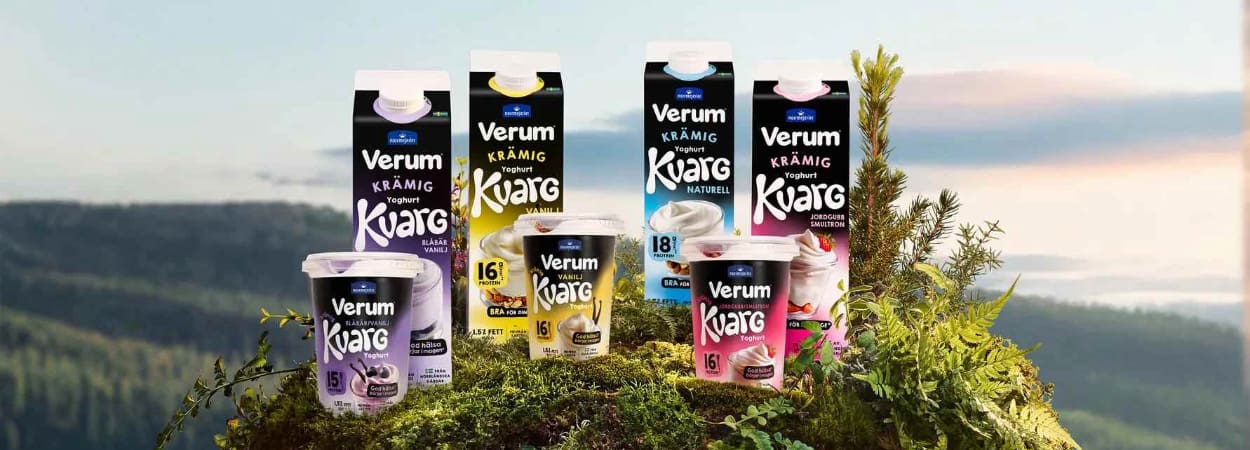
Within a few years, protein extracted from ordinary clover grass could become a key ingredient in a wide range of everyday foods such as ice cream, yogurt, and protein drinks
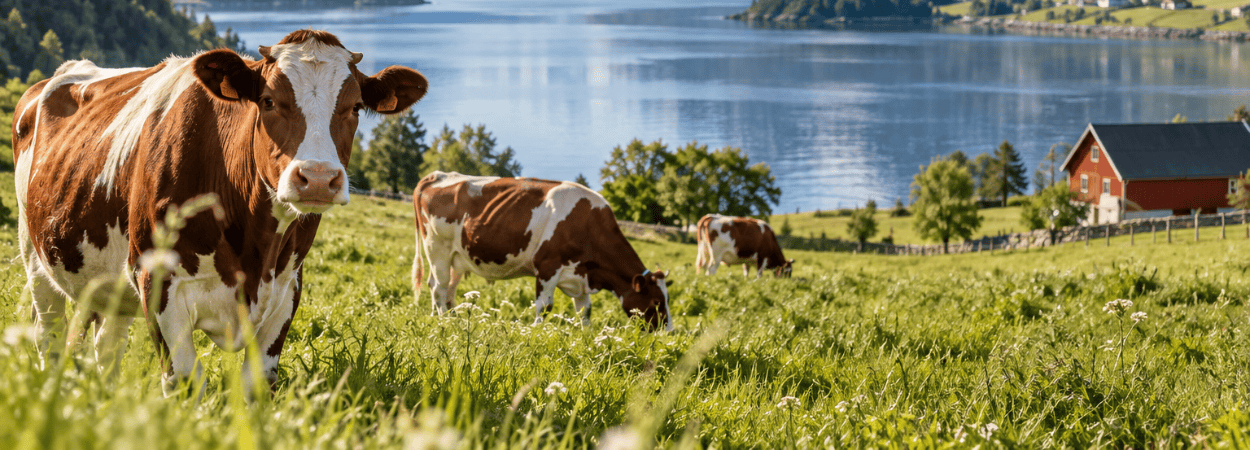
Most people know that cows have four stomachs to digest the grass they munch on in the fields. Our own stomachs are not built to handle the tough fibers in grass—but that doesn’t mean grass lacks nutrients we could benefit from. For years, insects have been touted as a sustainable protein source, but this idea has never gained traction in our part of the world. However, processed clover grass may soon be incorporated into many common foods and provide the much-needed protein.
In addition to its potential as an ingredient in various food products, the production of protein from clover grass has a wide range of other benefits. Clover grass is a hardy crop that requires minimal fertilization and can be harvested five to six times a year. It is a perennial plant that effectively binds both CO₂ and nitrogen, which helps protect marine environments. Once the protein has been extracted, the leftover pulp can be used in biogas plants—meaning nothing goes to waste.
Read the full press release here
Photo: Fubukina, Unsplash