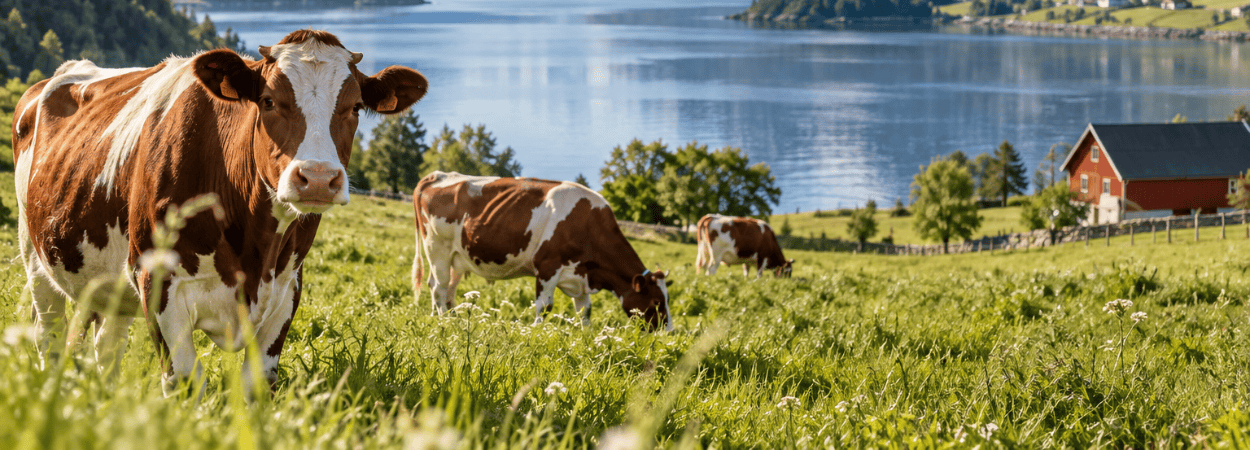
Bovaer is approved in the EU as a feed additive that reduces methane emissions from cows. Now, the European Food Safety Authority (EFSA) will examine whether that approval still stands. This is reported by LandbrugsAvisen.
On its website, EFSA is calling on the cattle sector to submit data on the feed additive Bovaer. In particular, the authority is requesting documentation on cow health, performance, milk quality and reproduction – both before, during and, where relevant, after the use of Bovaer.
The call is directed broadly at farmers, feed and food companies, national authorities, research institutions, advisory organisations and other relevant stakeholders – including those outside the EU, LandbrugsAvisen writes.
The background to the renewed assessment includes reports from Denmark, where a survey conducted by Seges Innovation last year revealed problems on farms that began using Bovaer in 2025. The survey showed signs of digestive and metabolic disorders in dairy cows on around one in four farms.
Danish support for the review
The chairman of Landbrug & Fødevarer Kvæg, Jesper Arnth, supports the review and stresses that climate considerations must not come at the expense of animal welfare. At the same time, the sector is urging that existing and ongoing studies be submitted as quickly as possible so they can be included in EFSA’s work.
Danish farmers and advisory bodies will play a central role in the process. Records and practical experience from Danish herds can be incorporated directly into the scientific assessment and may therefore influence future rules for methane-reducing feed products across the EU.
According to chief consultant Nicolaj Ingemann Nielsen, Seges has seen strong support from farmers for the studies that have already been launched. At the same time, there is international demand for the experience gained with Bovaer in Denmark.
However, the ongoing assessment does not change the current use of Bovaer. Only once EFSA has completed its review could new requirements, recommendations or restrictions be introduced.
By Lene Mikkelsen Walsh
Source: LandbrugsAvisen
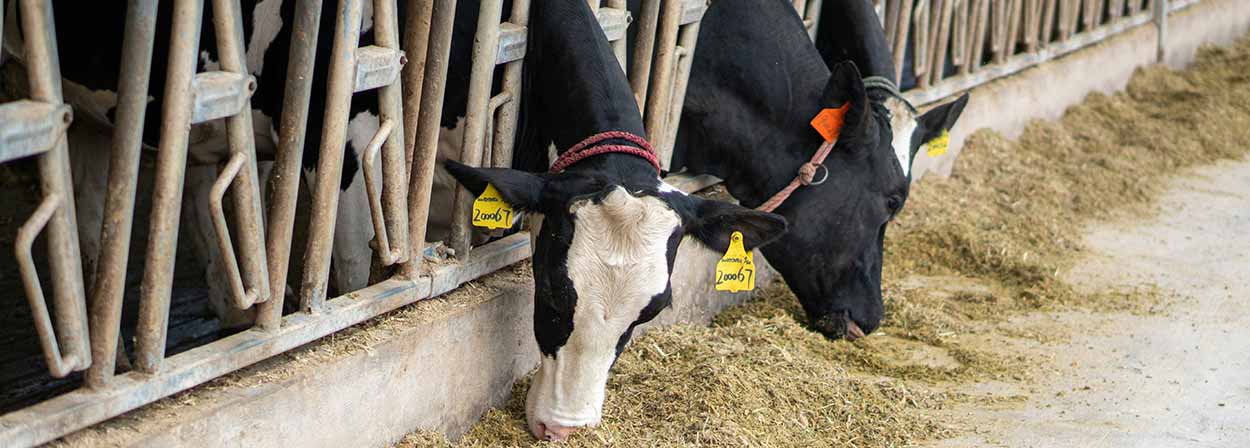
Photo: Zhao Yangjun, Unsplash