Researchers have identified lactic acid bacteria capable of improving acidification, food safety and texture – with promising implications for the development of new fermented products.
Researchers from the Technical University of Denmark have identified new lactic acid bacteria with potential as starter cultures for fermentation. In particular, three bacterial strains have demonstrated strong performance in trials involving fermented soy-based foods.
The study, published in the Journal of Food Protection, was conducted in collaboration with researchers from the University of Cambridge and Chalmers University of Technology.
According to the researchers, the bacteria stand out not only for their ability to acidify effectively, but also for contributing to both food safety and product quality.
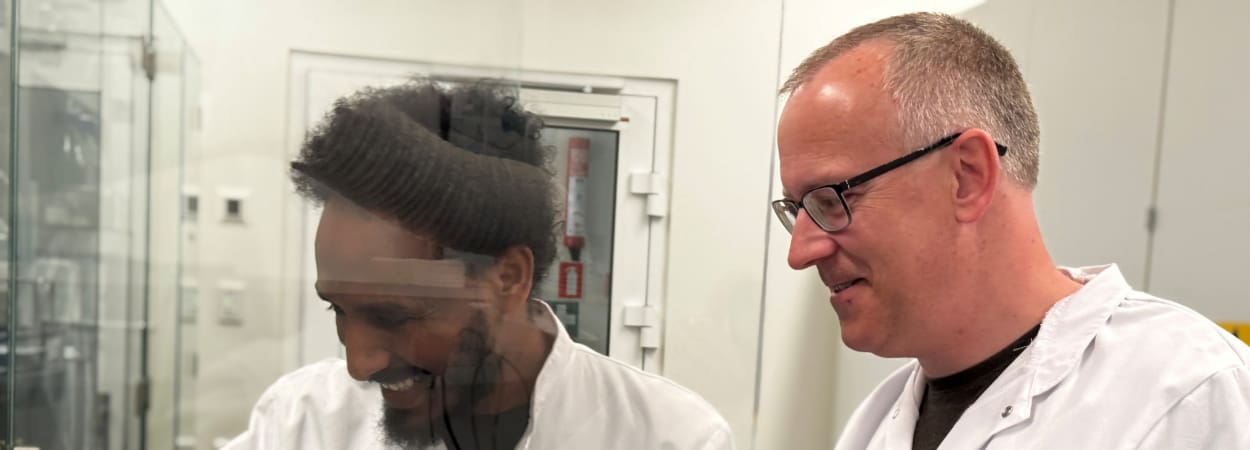
“The bacteria did more than simply ferment the soy drink. They were also able to suppress undesirable bacteria, break down unwanted sugars, and reduce phytic acid”, says postdoc Belay Tilahun Tadesse from DTU National Food Institute in an article on food.dtu.dk.
Stable acidification and antimicrobial effect
In the experiments, the bacteria demonstrated rapid and stable acidification, effectively lowering the pH – even without the addition of extra sugar. At the same time, they showed a broad antimicrobial effect against, among others, listeria and E. coli.
“We observed that three of the bacterial strains quickly took control of the fermentation in the soy drink. This is important because stable and effective acidification is one of the first requirements when developing a robust product”, says Belay Tilahun Tadesse.
In addition, the bacteria were shown to produce compounds that improve texture and contribute to a creamier consistency.
Perspectives for developing new cultures
Although the research is based on plant-based raw materials, the findings point more broadly to the potential of working with new types of lactic acid bacteria in fermented foods.
“We have shown that the lactic acid bacteria tested are safe. However, further research is needed”, says associate professor Christian Solem from DTU National Food Institute.
He adds that the bacteria must also be approved by the European Food Safety Authority before they can be used in Europe.
The researchers emphasise that the identified bacterial strains combine rapid fermentation with properties that can enhance shelf life, food safety and overall product quality.
By Maja Løvstrup
Photo: DTU National Food Institute