Two old bottles discovered in a cellar in Frederiksberg have given researchers from the University of Copenhagen a unique glimpse into Denmark’s dairy history.
The bottles, unearthed in a basement at the former Royal Veterinary and Agricultural College, date back to the 1890s. They contained traces of lactic acid bacteria that were once added to butter, cheese, and milk after pasteurization to enhance flavour and extend shelf life. Using modern DNA sequencing, the researchers were able to identify several bacterial strains—both beneficial and problematic—offering a rare window into past production practices and hygiene.
Among the findings was Lactococcus cremoris, a bacterium still used today to sour milk, as well as genes for diacetyl, the compound responsible for butter’s characteristic flavour. This shows that even then, producers were able to select bacteria with the right properties. At the same time, the analyses revealed heavy contamination with Cutibacterium acnes—a skin bacterium best known for causing acne—as well as traces of pathogenic bacteria such as staphylococci and Vibrio species. The findings highlight that hygiene standards were very different from those of today.
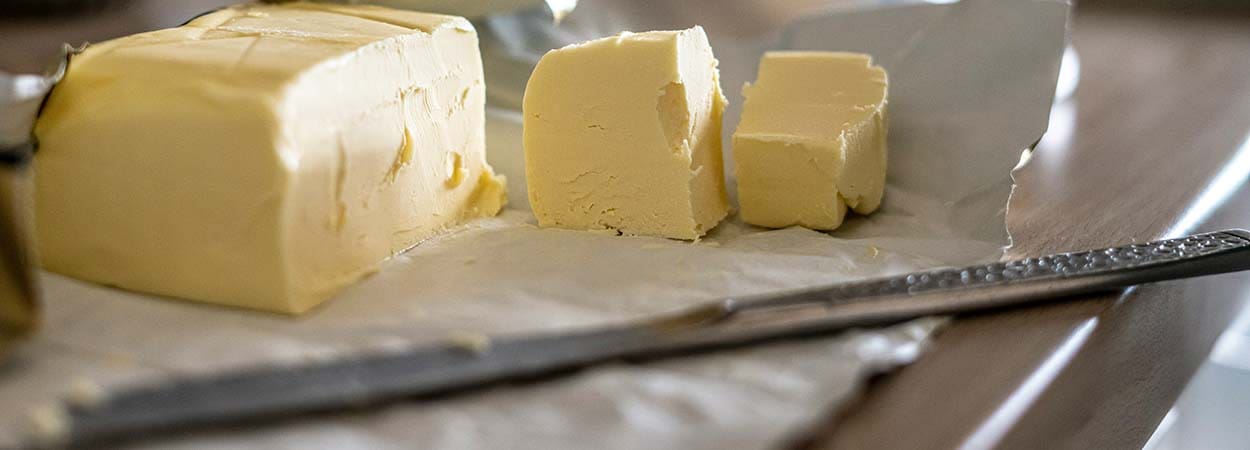
In the late 19th century, Danish butter exports to England grew explosively, creating demands for consistency and food safety. Pasteurization became the solution, but since the process removed the natural bacteria, there arose a need for so-called starter cultures. These became the key to standardized butter production—and thus the foundation of Denmark’s international food industry success.
The discovery of the bottles illustrates both the technological advances of the time and the close collaboration between research, agriculture, and industry that laid the groundwork for modern Danish food exports.
Read more about this fascinating discovery HERE
Photo: Sorin Gheorghita, Unsplash
By LWM