Climate Check and the incentive model are becoming the standard for how Danish dairies and farmers work with carbon accounting – and it is changing the way the whole value chain operates.
Many in the industry know that raw milk accounts for 80–90 percent of a dairy’s total carbon footprint. But without primary data from individual supplier farms, it is difficult to act on that knowledge. That is precisely the problem Climate Check was developed to solve. The tool, created by the Danish Dairy Board and based on internationally recognised standards, calculates the carbon footprint of raw milk at farm level – and from 2024, data from all Danish dairy farms feeds into the industry’s collective climate accounting.
From reporting tool to daily operations
For dairies, this means access to primary data that was previously only available to Arla Foods. For farmers, it means concrete knowledge of where on-farm efforts deliver the greatest climate impact. And the incentive model, which rewards sustainable practices with points that can be converted into a higher milk price, is now also being used by banks as documentation for lending terms. In other words, climate accounting is no longer just a reporting tool – it is becoming part of the day-to-day operations of dairies and farms alike. Read the full story in Danish Dairy & Food Industry 2026.
By Maja Løvstrup
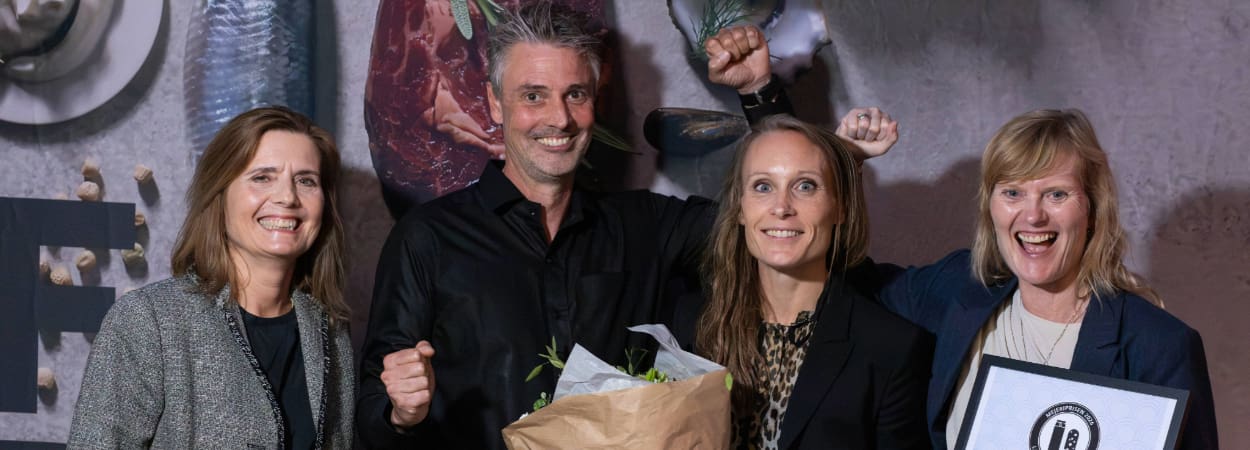
Photo: Brian Rasmussen