A new policy brief from SLU Future Food highlights the many advantages of small, resilient dairy farms and calls for the creation of conditions that allow them to thrive
Over the past 40 years, the number of dairy farms has decreased by more than 90 percent—primarily due to the closure of small farms. In the current system, smaller dairy farms are not profitable and simply see no future.
The ongoing structural rationalization in dairy production is problematic from several perspectives. When dairy farms in forested and rural areas shut down, it leads to overgrowth, reduced biodiversity, disrupted circular systems, and lower carbon sequestration. We lose natural and cultural values when traditional farmland is no longer maintained. Dairy farming is often referred to as the backbone of Swedish agriculture and plays a vital role in preserving rural life and local jobs.
“Based on our three-year research project on small dairy farms, we have developed six proposals addressing the economic conditions, investment opportunities, working environments, and public perception of small-scale milk production, says Lisa Ekman
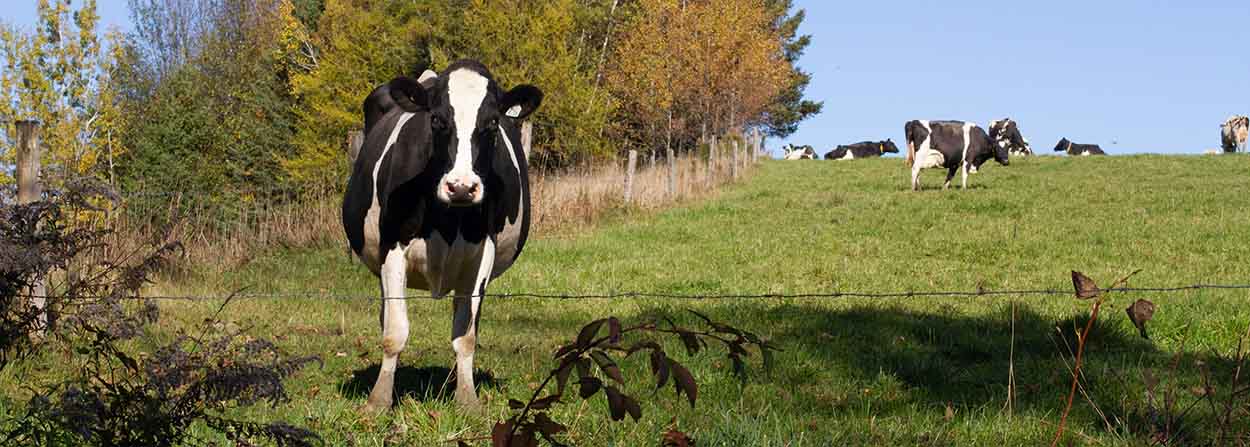
Photo: Frederick Wallace, Unsplash