Dairies consume and discharge large volumes of water. With tightening EU requirements, increasing drought risk and rising costs, having the flow under control is no longer enough – it requires a strategy.
For employees in dairy production, water is a daily given – for CIP cleaning, pasteurisation, cooling and processing. But that picture is changing at management level, where water management is increasingly being treated as a strategic and regulatory challenge on a par with energy and emissions.
Cow water and condensate are the new resource
Tightening EU requirements on discharge and reporting are pushing dairies to document water consumption more systematically and work actively with reuse. This applies in particular to so-called cow water – the water that naturally accompanies milk – as well as permeate and condensate from cheese and powder production, which in modern facilities is increasingly being recovered and reused rather than discharged. Water balance analysis and real-time monitoring are moving from nice-to-have to operational standards. At the same time, climate change is signalling a future of increasingly unpredictable water availability – and more than half of the world’s largest aquifers are already being depleted. For dairies located close to agricultural land and partly reliant on their own abstraction, this is not an abstract problem. Read about practical solutions and global developments in Danish Dairy & Food Industry 2026.
By Maja Løvstrup
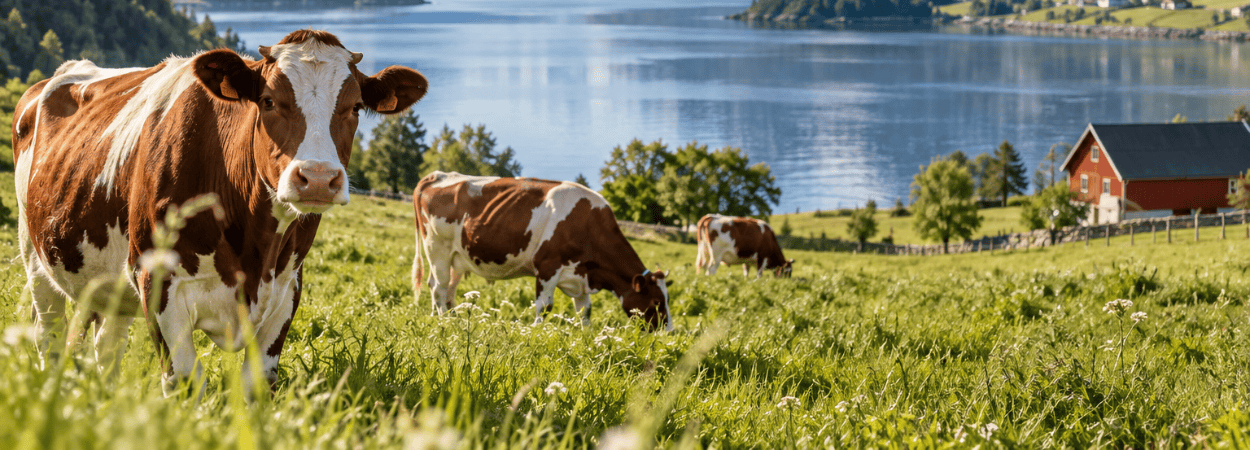
Photo: 4maksym