Researchers from DTU and Aarhus University have received multi-million funding from to explore how yeast, bacteria, or fungi can be harnessed for sustainable food production.
The project, named The Casein Mission, focuses on developing methods to produce casein—a protein found in milk that makes up about 80% of the protein in cow’s milk.
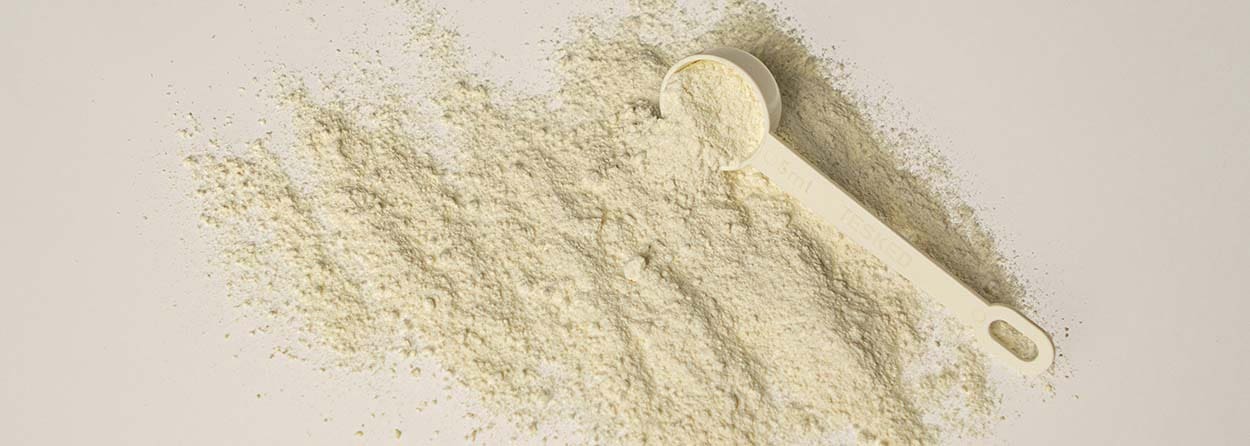
The Novo Nordisk Foundation has granted DKK 48 million to the project over a five-year period. The researchers aim to program microorganisms to produce casein by inserting cow DNA sequences into them, enabling the microorganisms to generate milk proteins. For example, a yeast fungus normally used for alcohol production could, with a redesigned DNA structure, instead be used to produce milk protein.
“Precision fermentation of milk proteins holds great potential, but if these protein ingredients are to truly replace parts of animal-based production, we must succeed in producing them with the right functionality,” said Peter Ruhdal Jensen from DTU Food Institute in a press release.
The project will also build networks and activities across universities, startups, and industry, establishing national research capacity in the field. This will provide a foundation for the development and commercialization of sustainable casein-based foods and ingredients.
New protein sources are essential as global protein demand rises with population growth, while at the same time there is a need to reduce the climate footprint and land use linked to animal-based food production.
Read more in DTU’s press release HERE.
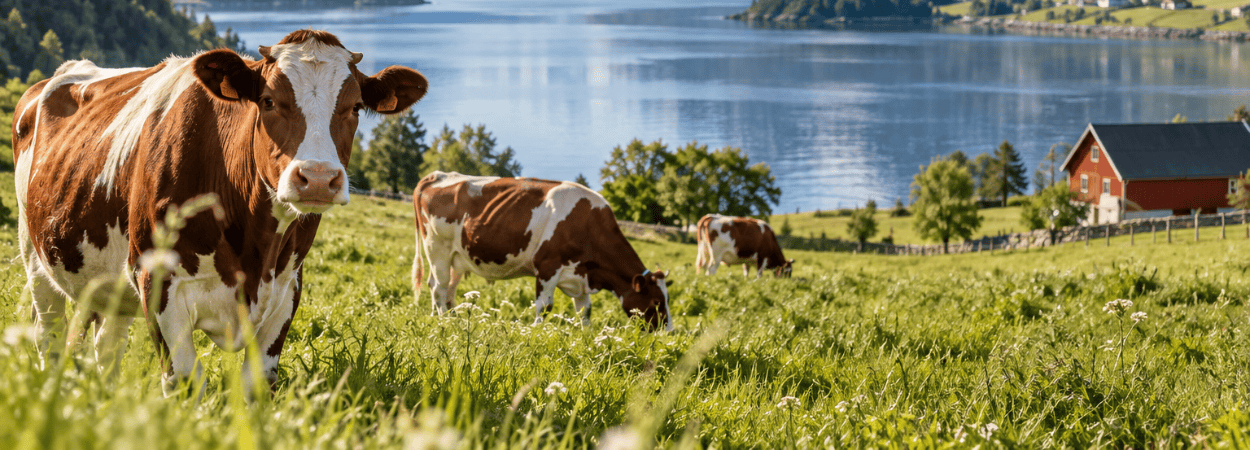
Foto: Aleksander Saks, Unsplash