Tetra Pak is investing €60 million in a new pilot plant in Lund, Sweden, to accelerate the development of the company’s paper-based barrier technology for aseptic cartons.
For the dairy sector, Tetra Pak’s new technology delivers the same high levels of food safety and shelf life associated with aseptic packaging – but with a significantly lower climate impact.
The new solution replaces the traditional aluminium foil layer with a paper-based barrier. The result is a beverage carton containing around 80% paper and – when combined with plant-based polymers – up to 92% traceable, renewable materials. According to Tetra Pak, this can reduce the carton’s carbon footprint by up to 43%. At the same time, the material structure is simplified from three to two main materials – paper and polymers – which is expected to improve recyclability.
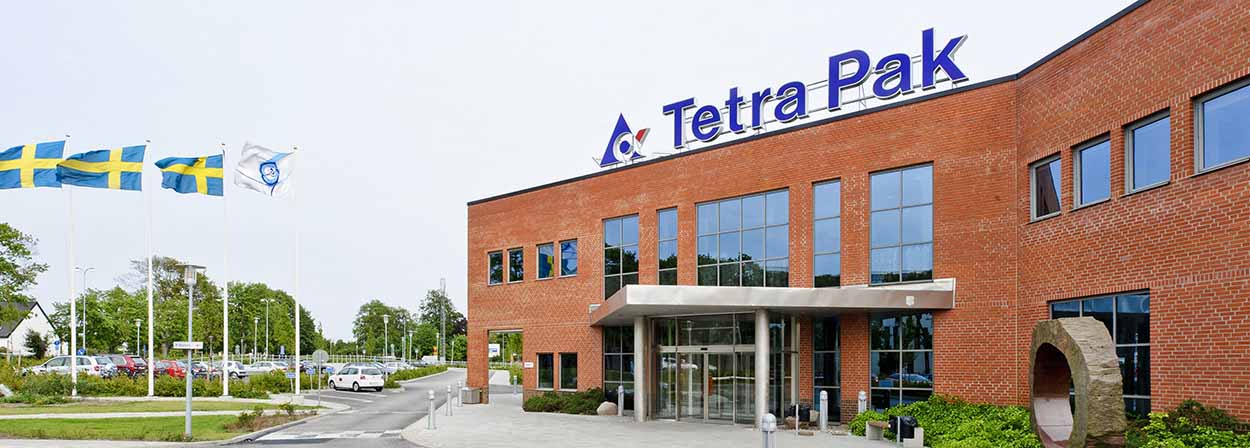
The location of the pilot plant in Lund is strategic. Here, Tetra Pak benefits from close links to materials and packaging research, long-standing collaboration with Lund University, and access to advanced testing facilities at the MAX IV Laboratory. Lund is also where the company was founded in 1951, and where it continues to maintain a strong industrial presence, even though Tetra Pak today is a global group headquartered in Switzerland.
– By investing in this pilot plant, we aim to make our innovative paper-based barrier available to more customers and support their transition to more sustainable packaging solutions, says Joakim Tuvesson, Vice President Materials & Package at Tetra Pak in a press release. The first customers are expected to begin testing the solution in the first quarter of 2027.
Tetra Pak already launched the world’s first aseptic beverage carton with a paper-based barrier in 2023, in collaboration with a Portuguese dairy producer. The innovation was recognised in 2024 with the Resource Efficiency Award at the Sustainable Packaging News Awards.
By Lene Mikkelsen Walsh
Photo: Tetra Pak