A Danish research project is investigating how plant proteins and dairy proteins can be combined without compromising functionality, texture or product quality.
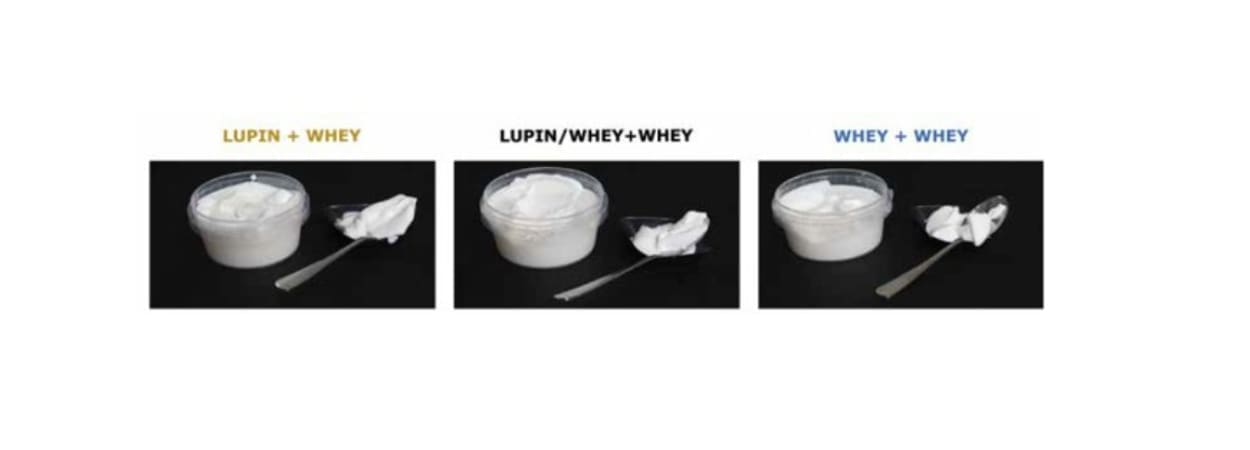
Interest in hybrid products combining plant and dairy proteins is growing across the food industry. However, plant proteins behave differently from dairy proteins during processing, creating a number of technological challenges. That is the background for the PROFLEX research project, a collaboration between Aarhus University, Arla Foods Ingredients and the University of Southern Denmark. Over the past three years, the project has explored how whey proteins interact with plant proteins derived from ingredients such as peas and lupin.
Major differences in functionality
According to the researchers, one of the key challenges is that plant proteins are more difficult to work with than traditional dairy proteins.Among other things, plant proteins are harder to distribute evenly in liquids and tend to form clusters in emulsions more easily.At the same time, the project shows that these properties may also open up new opportunities for texture and mouthfeel in future dairy products.The researchers point in particular to potential applications in products such as spreads, desserts and sauce-like dairy formulations.
Focus on both sustainability and quality
A central focus of the project has been to investigate how hybrid protein solutions may contribute to more sustainable products without compromising nutrition or functionality.The project also demonstrates that both processing conditions and the sequence in which ingredients are added can significantly affect texture and stability in the final product.
Read more about the PROFLEX project in Mælkeritidende no. 4, published on 12 June – or you can read the full research article here on this page
By Maja Løvstrup
Photo: Mejeribrugets Forskningsfond